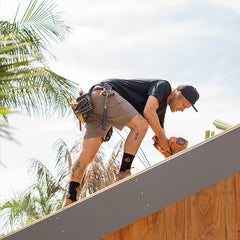


Why Your Work Boots Matter More Than You Think
In New Zealand's construction sites, farms, and workshops, your boots are your most important piece of PPE. The wrong pair means sore feet by lunchtime, and in a worst case, a serious injury. Whether you're a sparky in Auckland, a builder in Christchurch, or a farmer in the Wairarapa, choosing the right work boots in NZ comes down to understanding a few key factors. This guide covers everything you need to make a confident decision.
Steel Cap vs Composite Toe: Which Should You Choose?
The most common question when shopping for safety boots in NZ is whether to go steel cap or composite toe. Here's the honest breakdown:
Steel Cap Boots
- Pros: Extremely durable, excellent impact resistance, cost-effective, proven track record
- Cons: Heavier than composite alternatives, conduct heat and cold (uncomfortable in extreme temperatures), set off metal detectors
- Best for: Construction, manufacturing, warehousing, heavy industry
Composite Toe Boots
- Pros: Lighter weight, non-conductive (ideal for electrical work), won't set off metal detectors, better thermal performance
- Cons: Generally more expensive, may not match steel cap in heavy crush scenarios
- Best for: Electricians, aviation workers, cold environments, sites requiring metal detector clearance
For most NZ tradies and workers, a good quality steel cap boot remains the go-to choice. They're built tough, last longer, and are easier to find at the right price point.
Understanding NZ Safety Ratings
Work boots sold in New Zealand are rated under AS/NZS 2210, the joint Australian/New Zealand standard for occupational protective footwear. Here's what the key markings mean:
- Toecap rating: Indicates impact and compression resistance. Most site boots meet Class 1 (200J impact).
- SB (Safety Basic): Toecap protection only — the baseline
- S1: Adds antistatic and energy absorption in the heel
- S2: S1 plus water resistance in the upper
- S3: S2 plus penetration resistance and cleated sole — the most common spec for NZ construction sites
- S5: S3 with waterproof rating — ideal for outdoor and wet environments
When in doubt, go for at least S3 rated boots. Many NZ job sites specify a minimum rating in their site safety policies, so check with your employer or principal contractor.
Top Work Boot Brands for NZ Workers
Not all work boots are created equal. Here are three brands that consistently earn trust from NZ workers:
Blundstone
The Aussie icon with a huge following in NZ. Blundstone's slip-on safety boots are beloved for their comfort straight out of the box, durable leather construction, and versatility from the worksite to the pub. The Blundstone 910 and 312 series are popular picks. They're particularly well-suited to tradies who are on their feet all day.
Bata Industrials
Bata has been making work footwear for decades and offers excellent value in the NZ market. Their Industrials range includes boots purpose-built for agriculture, construction, and forestry. Bata's safety gumboots and lace-up safety boots are a staple on NZ farms and building sites. Good bang for your dollar if you're outfitting a whole crew.
Grisport
An Italian brand that's grown a strong reputation in NZ for serious performance in demanding conditions. Grisport boots feature Vibram soles, genuine waterproofing, and robust construction that handles tough terrain well. If you're doing outdoor work, forestry, or anything involving rough ground, Grisport is worth looking at seriously.
Browse the full range of work boots at Kiwi Workgear — we stock all major brands with fast NZ shipping.
Getting the Right Fit
A work boot that doesn't fit properly will cause blisters, fatigue, and long-term foot problems. Here's how to get it right:
- Try boots on in the afternoon — your feet swell throughout the day, so afternoon fitting gives you a more accurate size
- Wear your work socks — the socks you'll actually wear on the job. Wool or merino socks can add half a size of volume
- Check toe room — you should have about 1cm of space between your longest toe and the toecap
- Check heel hold — your heel should sit firmly with minimal slippage. A heel that lifts will cause blisters quickly
- Walk around — don't just stand. Walk on different surfaces if possible. Pay attention to any pinching or pressure points
- Half sizes matter — if you're between sizes, go up half a size for longer days, down half a size if you need precision footing
How to Care for Your Work Boots
A quality pair of work boots is an investment. With proper care, they'll last years longer:
- Clean regularly — remove mud and debris after each shift. Leaving it builds up and degrades the leather and stitching
- Condition leather — apply a quality leather conditioner or boot wax every few weeks. This keeps the leather supple and waterproof
- Dry naturally — never put wet boots near direct heat or in a dryer. Stuff with newspaper and let them air dry
- Rotate pairs if you can — alternating between two pairs extends the life of both significantly
- Replace insoles — factory insoles often wear out before the boot. Replacing them with quality aftermarket insoles can revive an older boot and improve comfort dramatically
- Know when to replace — if the sole is worn smooth, the toecap is damaged, or the upper is cracking through to the interior, it's time for a new pair. Compromised boots are a safety risk
Work Boots for Specific NZ Industries
Different jobs call for different features:
- Construction and building: S3 rated, steel cap, slip-resistant sole, ankle support
- Electrical work: Composite toe, ESD (electrostatic discharge) rated, non-conductive
- Farming and agriculture: Waterproof, easy to clean (gumboots or leather), good ankle support for uneven ground
- Forestry: Chainsaw protection (AS/NZS 4453.3), steel midsole, aggressive grip sole
- Warehousing and logistics: Lightweight, slip-resistant, all-day comfort
Ready to Find Your Next Pair?
Choosing the right work boots in NZ doesn't have to be complicated. Know your safety rating requirements, decide between steel cap and composite based on your work environment, and prioritise fit over everything else. A well-fitting boot from a reputable brand will look after your feet and keep you safe on the job.
Check out our full range of safety footwear at Kiwi Workgear. We stock leading NZ and international brands, with knowledgeable staff ready to help you find the right fit. Fast NZ shipping, great prices, and gear that actually works on the job.