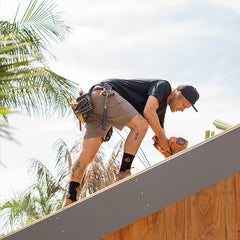
Why Head Protection is Critical on New Zealand Worksites
In New Zealand, construction, forestry, and industrial sites are among the most hazardous work environments in the country. According to the New Zealand Ministry of Business, Innovation & Employment (MBIE), head injuries account for a significant portion of workplace injuries, with many resulting in long-term disability or even fatalities. In 2024, over 1,000 workers were reported to have sustained head injuries, with a large portion of these incidents attributed to inadequate or improperly maintained head protection. Legislation such as the Health and Safety at Work Act 2015 places a legal obligation on employers to ensure the health and safety of their workers. This includes providing appropriate personal protective equipment (PPE), including safety helmets, which are essential for protecting the head from falling objects, impacts, and other hazards.Understanding the AS/NZS 1801 Standard
In New Zealand, safety helmets must comply with the AS/NZS 1801 standard, which is a nationally recognized safety standard for head protection. This standard outlines the requirements for the design, testing, and performance of safety helmets. The AS/NZS 1801 standard includes several key components: - **Impact Protection**: Helmets must be tested to ensure they can withstand both vertical and lateral impacts. The standard classifies helmets into different types based on the level of protection they offer. - **Retention System**: Helmets must have a secure retention system, such as a chin strap, to prevent the helmet from coming off during an impact. - **Durability and Longevity**: Helmets must be able to withstand repeated use and environmental factors, such as UV exposure and moisture. - **Certification**: Helmets must be certified by an accredited testing laboratory and carry the AS/NZS 1801 certification mark. When selecting a helmet, it's important to check the rating on the helmet's label. The rating indicates the level of impact protection and the type of test the helmet has passed. For example, a helmet rated for Type 1 protection is suitable for vertical impacts, while Type 2 provides additional protection for lateral impacts, which is crucial in environments like forestry or construction.Types of Safety Helmets for New Zealand Worksites
New Zealand’s diverse work environments require different types of safety helmets to suit various hazards. Here are the most common types: - **Standard Hard Hats (Type 1)**: These are the most common type of safety helmet and are suitable for general construction and industrial work. They provide protection against vertical impacts, such as falling objects. - **Full-Brim Hard Hats**: These helmets offer additional protection by covering the entire head, including the back and sides. They are ideal for environments where there is a risk of lateral impacts or exposure to the elements. - **Vented Helmets**: These helmets feature ventilation channels to reduce heat buildup and improve comfort, making them suitable for hot environments or prolonged use. - **Forestry Integrated Helmets**: These are specifically designed for forestry work, offering additional protection for the neck and face. They are often part of integrated systems that include visors, earmuffs, and chin straps for comprehensive protection.Essential Accessories for Safety Helmets
To enhance the effectiveness and comfort of your safety helmet, consider adding the following accessories: - **Visors**: These provide additional protection against sunlight, falling debris, and weather conditions. They are particularly useful in outdoor environments. - **Earmuff Attachments**: In noisy environments, such as construction sites, earmuff attachments can help reduce noise levels and protect hearing. - **Chin Straps**: A secure chin strap ensures that the helmet stays in place during an impact, preventing it from slipping off. - **Sweatbands**: These help absorb sweat and keep the head cool, improving comfort during long hours of work. Choosing the right accessories can make a significant difference in both comfort and safety, ensuring that your helmet functions effectively in its intended environment.Integrated Forestry Helmet Systems
For workers in the forestry sector, integrated helmet systems are essential for comprehensive protection. These systems typically include a helmet, visor, and earmuff attachment, all designed to work together for maximum safety and comfort. Two leading brands in this space are: - **Protos Integral System**: This system offers a full range of protection, including a visor, earmuffs, and adjustable chin strap. It is designed for use in both forestry and construction environments. - **Pfanner Forestry Helmets**: Pfanner helmets are known for their durability and comfort, with features such as a soft inner lining and adjustable straps. They are suitable for a wide range of forestry tasks. These integrated systems are particularly beneficial for workers who are exposed to falling objects, loud noises, and harsh weather conditions, making them an essential part of the safety gear for New Zealand’s forestry workers.Top Brands for Safety Helmets in New Zealand
KiwiWorkGear is proud to carry a range of top brands known for their quality and compliance with the AS/NZS 1801 standard: - **Protos**: Renowned for their high-quality, durable helmets and integrated systems, Protos is a trusted name in the safety industry. - **JSP**: Known for their innovative designs and comfort-focused features, JSP helmets are popular among workers who require long hours of head protection. - **Portwest**: A leader in PPE, Portwest offers a wide range of helmets suitable for various work environments, including construction and forestry. - **Esko**: Esko helmets are designed for comfort and performance, making them ideal for workers who require both protection and comfort. These brands consistently meet the high standards of safety and durability required for New Zealand’s work environments, ensuring that workers are protected and comfortable on the job.When to Replace Your Safety Helmet
Even the best safety helmets can degrade over time, so it's important to know when it's time to replace yours. Here are some signs that your helmet may need to be replaced: - **Cracks or Damage**: Any visible cracks, dents, or damage to the helmet’s shell or liner can compromise its protective capabilities. - **Wear and Tear**: The helmet may show signs of wear, such as frayed straps or a damaged chin strap. - **Old Age**: Helmets have a recommended service life, typically around five years from the date of manufacture. Even if there is no visible damage, it's advisable to replace your helmet after this period. - **After an Impact**: If your helmet has been involved in an impact, even if there is no visible damage, it should be replaced immediately. Regular inspection of your helmet is essential to ensure it continues to provide the level of protection required for your work environment.Shop for Safety Helmets at KiwiWorkGear
At KiwiWorkGear, we understand the importance of head protection in New Zealand’s diverse work environments. Whether you need standard hard hats, forestry integrated systems, or accessories to enhance your helmet’s performance, we have the right gear to keep you safe and comfortable on the job. Explore our collection of safety helmets and accessories at /collections/hard-hats-nz, and ensure that your team is equipped with the highest quality PPE for every worksite.Further Reading
- Best Work Boots NZ 2026
- Hi-Vis Vest NZ Guide 2026
- Chainsaw Safety Gear NZ 2026
- PPE for NZ Farmers Guide
Ready to shop? Shop Safety Helmets NZ — NZ-wide delivery, free shipping over $250.