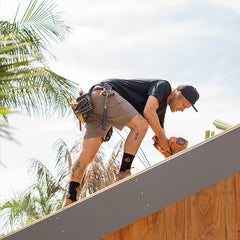
If you work outdoors in New Zealand — forestry, farming, construction or on the land — wet boots are part of the job. Pulling on cold, damp boots morning after morning is miserable, and it quietly wrecks your footwear: constant moisture breaks down linings, adhesives and leather, and it's the number-one cause of boot odour. A good boot dryer fixes both problems, so your boots are warm, dry and ready by the start of the next shift.
Here's how boot and shoe dryers work, the different types available in NZ, and how to pick the right one.
Why drying your work boots actually matters
- Comfort and warmth — dry boots on a cold Kiwi morning make a real difference to your day.
- Boot lifespan — trapped moisture degrades leather, stitching and glued seams. Drying properly can add months to a good pair of boots.
- Odour and hygiene — damp, warm boots are where bacteria and fungal issues thrive. Drying them out is the simplest fix.
- Safety — well-maintained boots hold their grip, support and waterproofing far longer.
Types of boot & shoe dryers
1. Electric forced-air dryers
The most effective option for anyone getting boots genuinely soaked. A quiet fan pushes gently warmed air down into each boot, drying a wet pair overnight or in a few hours. Look for a low, safe heat that won't damage leather. The Bene Footwear Wilderness Boot Dryer is an electric shoe dryer built for exactly this — set your boots on it after work and they're dry by morning.
2. Passive (convection) dryers and boot racks
No power required — they use natural airflow to dry boots slowly. Fine for light, occasional dampness, but too slow if your boots are wet every single day.
3. Cleaners and scrapers (the prep step)
Dry boots start with clean boots — caked mud holds water and stops boots drying evenly. A scraper like the Bene Footwear Mud Stopper boot scraper & cleaner knocks the worst off at the door before drying.
How to choose the right boot dryer
- Heat level — gentle, low heat (or no heat) protects leather and waterproof membranes. Avoid anything that runs hot.
- Capacity — most dryers do one pair; some handle gloves and gumboots too.
- What you're drying — leather work boots, gumboots, forestry boots and even gloves all dry well on a forced-air unit.
- Run time — a timer or auto shut-off saves power for overnight drying.
Tips for drying work boots without wrecking them
- Never use direct high heat — no fires, heat pumps on full, or clothes dryers. Fast, harsh heat cracks leather and warps soles.
- Take the insoles out and dry them separately — they hold a surprising amount of water.
- Loosen the laces and open the tongue so air reaches inside.
- No dryer handy? Stuff boots with newspaper and change it a few times — slow, but it works in a pinch.
Shop boot dryers and boot care at Kiwi Workgear
We stock boot-drying and boot-care gear to keep your footwear lasting longer:
- Bene Wilderness Electric Boot Dryer — dry soaked boots overnight
- Mud Stopper boot scraper & cleaner — clean before you dry
Looking after your boots pays off most when they're quality boots to begin with — browse our forestry boots and safety boots, built for hard NZ conditions. Free NZ shipping on orders over $250, fast delivery from Masterton.